
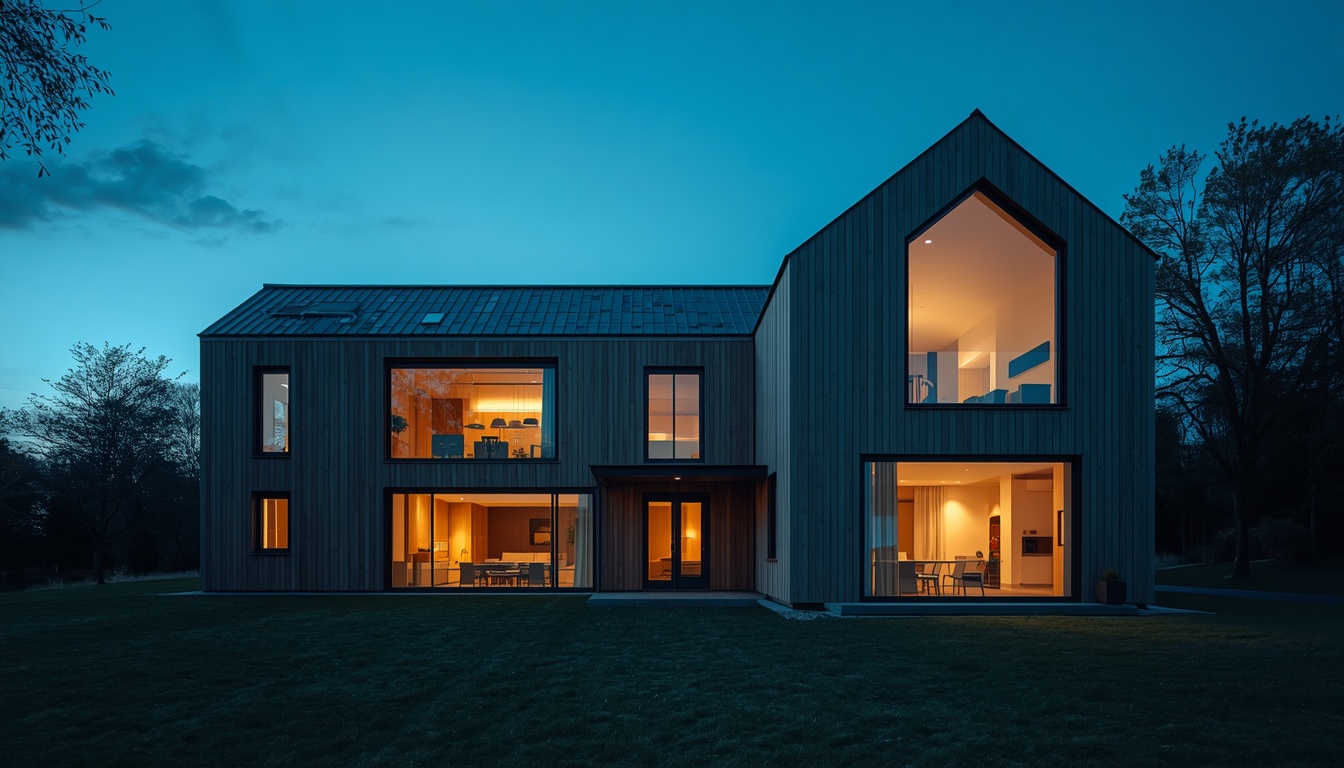
In the world of high-performance building, the Passivhaus Planning Package (PHPP) often gets pigeonholed. Most architects see it as a compliance checklist; developers often view it as an additional consultancy fee. To the uninitiated, it's just a spreadsheet for energy nerds to track kilowatt-hours.
But if you're looking at it through the lens of a Quantity Surveyor or a commercially-minded developer, that perception is a costly mistake.
At Futurehaus Consulting and James Brown Projects, we occupy a unique intersection: we are both Passivhaus Consultants and Independent Quantity Surveyors. From where we stand, PHPP isn't an "energy tool." It is a sophisticated Value Engineering (VE) platform for identifying opportunities, supporting data-led specification, and eliminating over-specification within the modern construction industry.
When used correctly, PHPP doesn't just tell you how much energy your building will use; it helps identify where you may be over-specifying, where money may be being wasted, and where carefully targeted spending today could deliver better value tomorrow.
Without it, you aren't designing: you're guessing. And in 2026, guessing is the most expensive thing you can do on a building site.
The "Passivhaus Inspired" Trap: Why Guessing Costs More
We see it frequently: a client or developer wants to build "Passivhaus Inspired." They want the comfort, the low bills, and the marketing cachet of a sustainable home, but they want to skip the "rigour" (and the cost) of full certification and PHPP modelling.
On paper, this looks like a saving. In reality, it's a financial trap.
When you aim for high performance without a data-driven model like PHPP, the natural human response is to over-compensate. Because the architect or builder doesn't know exactly how the building will perform, they throw "stuff" at the problem to be safe:
- Extra-thick insulation "just in case."
- The most expensive windows on the market, even if a mid-range spec would have sufficed.
- Oversized mechanical systems because no one trusts the building fabric to do the heavy lifting.
This is the "Inspired" tax. You end up paying for a Passivhaus-level specification (or higher) without necessarily achieving the intended performance. You've spent the money, but you've missed the target.
PHPP eliminates this "buffer" by providing the data to cut back on spec where it isn't needed.
PHPP as a Value Engineering Tool
Value Engineering is often misunderstood as "cost-cutting." Real VE is about maximising function for the lowest possible cost. In sustainable construction, PHPP is the tool that facilitates this process.
1. The Law of Diminishing Returns in Insulation
As a QS, I'm always looking at the cost-per-square-metre of the building envelope. In a non-modelled project, there is a tendency to keep adding insulation to lower the U-value.
However, PHPP allows us to see the exact point where adding another 50mm of PIR or mineral wool stops being a financial win. If spending £10,000 more on floor insulation only saves you £10 a year in heating costs and doesn't significantly impact the peak heating load, PHPP helps us identify where that level of specification stops making sense. We can then reallocate that £10,000 to a part of the building where it is more likely to make a meaningful difference, such as better airtightness details or solar shading.
2. Window Specification: Finding the Sweet Spot
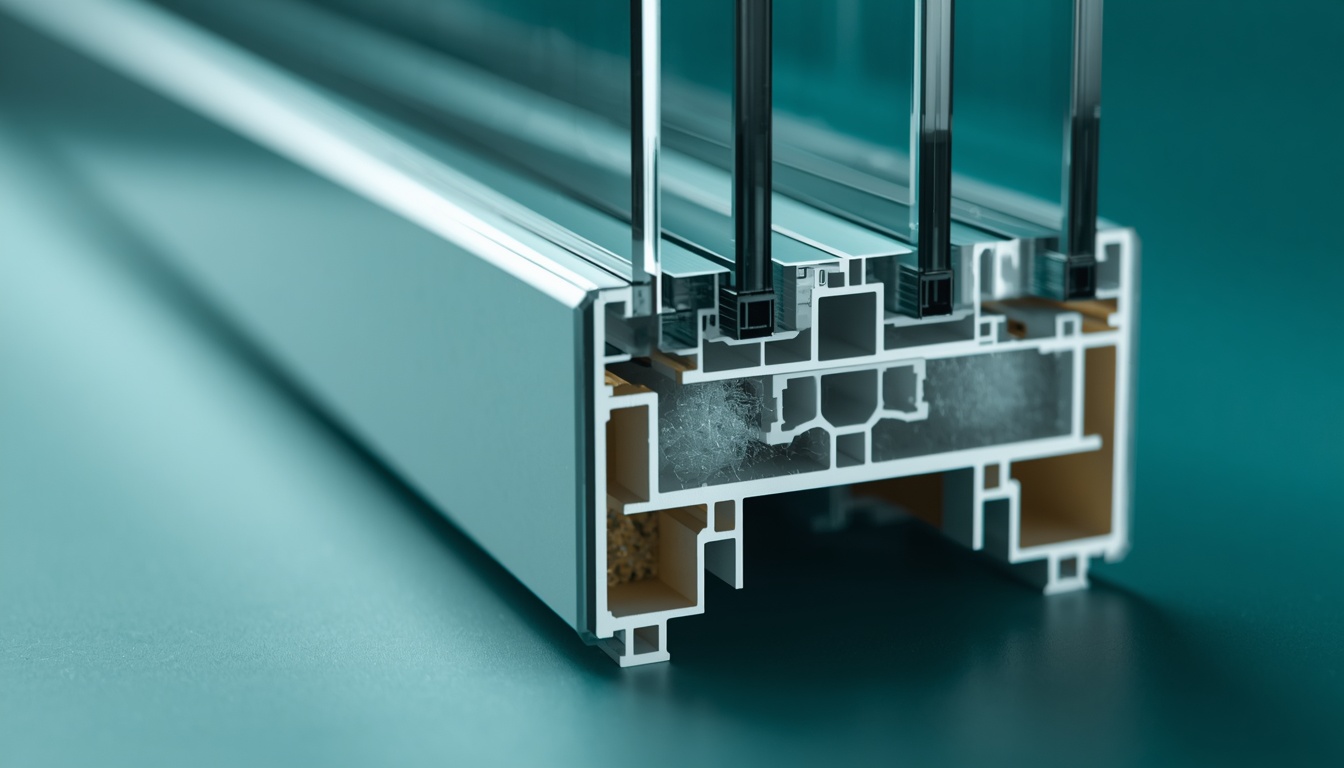
Windows are usually the most expensive components of a high-performance envelope. There is a massive price delta between a high-quality double-glazed unit, a standard triple-glazed unit, and a Passivhaus-certified ultra-high-spec frame.
Without PHPP, a developer might buy the most expensive frame thinking it's "better." But PHPP takes into account solar orientation and G-values (solar gain). We often find that on a south-facing elevation, a slightly lower-spec (and cheaper) window actually performs better for the overall energy balance than a "better" window that blocks too much free heat from the sun.
PHPP turns the window schedule from a shopping list into a calculated investment strategy.
3. Downsizing M&E (Mechanical & Electrical)
This is where the biggest capital cost savings often hide. In traditional construction, heating systems are routinely oversized by 20–30% "to be safe."
Because PHPP calculates the Peak Heating Load with incredible accuracy, it gives the M&E engineer the confidence to specify a much smaller, simpler, and cheaper heating system. In many of our Passivhaus projects, this can support a simpler and more proportionate heating strategy than would otherwise be specified.
When you trust the data, you are less likely to pay for "backup" capacity you'll never use.
The QS Advantage: Integrating Energy and Cost

Most Quantity Surveyors look at a spreadsheet of quantities and prices. Most Passivhaus Consultants look at a spreadsheet of energy and climate data.
At James Brown Projects, we integrate the two.
By running the PHPP model in tandem with the initial cost plan, we can provide a Cost-Benefit Analysis for every major design decision.
- "If we change the wall buildup from X to Y, it saves £15k in construction but increases the heat load by 1.2 kWh/m²a. Does that still meet our target?"
- "If we invest £5k more in airtightness products and labour, can we drop the window spec and save £8k?"
This iterative process is the only way to make high-performance building commercially viable. It moves Passivhaus from the realm of "eco-luxury" into the realm of "smart business."
Risk Management: Certification is Insurance

While this post focuses on the PHPP as a tool, it's worth touching on why the certification that usually follows it is also a financial tool.
A building that is "inspired" but not certified has a massive performance risk. If the building doesn't perform as promised (the "Performance Gap"), the developer faces reputational risk, potential legal issues under future energy standards (like the Future Homes Standard 2027), and lower resale value.
PHPP modelling and the subsequent certification process act as a form of technical due diligence. Our role as Passivhaus Consultants is to advise on the model, the specification, and the evidence required through the design and construction process; the final technical stamp of approval sits with the Passive House Institute (PHI), which is the sole certifying body. Individuals are certified directly by PHI as assessors, regardless of where they work, including organisations such as WARM or BRE. That distinction matters: firms may employ PHI-certified assessors, but they are not separate accrediting bodies. This independent PHI review provides confidence to the bank, the future buyer, and the building control officer that the building has been assessed against the relevant standard.
In a market that is increasingly valuing carbon performance and energy security, that proof is worth its weight in gold.
Conclusion — Stop Guessing, Start Modelling
If you are a property developer or an architect planning a high-performance project in 2026, you shouldn't view PHPP as a hurdle to be cleared. You should view it as your most powerful weapon against budget creep and performance failure.
The "Passivhaus Inspired" route is a false economy. It leads to over-specification, wasted materials, and a building that might still underperform.
By using PHPP as a cost-management tool, we help our clients build better buildings for less money. We use the data to prune the waste, optimise the fabric, and ensure that every pound spent on the project is working as hard as it possibly can.
Don't leave your building's performance — or your budget — to guesswork.
If you're planning a project and want to see how data-driven consultancy can de-risk your development, get in touch with us at Futurehaus Consulting. Let's make Passivhaus possible, and profitable, for your next project.
Professional Disclaimer: All cost data and performance metrics mentioned are indicative and based on general project averages. Actual results are subject to project-specific site conditions, design variables, and current market rates. This content is for informational purposes and does not replace professional advice.